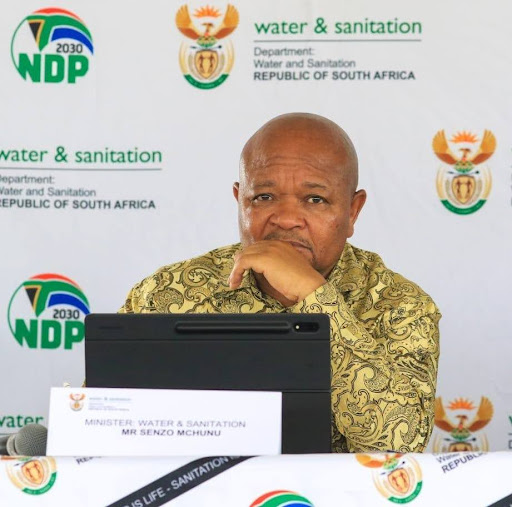
(Photo credit: Senzo Mchunu, Facebook)
The agricultural organisation TLU SA takes note of the appointment of the current Minister of Water and Sanitation, Senzo Mchunu, as acting Minister of Agriculture.
This move immediately raises the question of whether this appointment forecasts a permanent position and whether it was truly necessary to make this decision just days before a new cabinet is appointed. The swift appointment suggests that Mchunu might receive this portfolio in the new cabinet.
Surely, the Deputy Minister of Agriculture could have taken the reins in these few days, alongside a Director-General of Agriculture dedicated to serving the country’s agricultural interests.
TLU SA believes it is essential to consider Mchunu’s contributions to the Department of Water and Sanitation, where there are undeniable issues with malfunctioning systems.
TLU SA has been in dispute with the Department of Water and Sanitation for some time over faulty water bills. “Despite reasonably good legislation on water regulation and management, our water sources are severely contaminated today, making it unsafe for agricultural production,” says Bennie van Zyl, CEO of TLU SA.
TLU SA also argues that Mchunu’s background, experience, and knowledge in the agricultural industry raise questions that need answers. “Agriculture has become a complex environment, and if the necessary expertise isn’t available to steer the department towards agricultural-economic goals, food and fiber production could be endangered,” says Van Zyl.
TLU SA believes President Ramaphosa has a golden opportunity to assemble a cabinet of knowledgeable individuals who can restore our economy and foster growth. The role of agriculture as a food provider is too crucial to be jeopardized by political games.
TLU SA awaits to see how the new government of national unity can reconcile its diverse policy directions into a common stance. The extent to which other political parties had input into this temporary appointment remains uncertain.
If the ANC continues unilaterally without consulting other parties, the hope for economic rationality may just be wishful thinking.