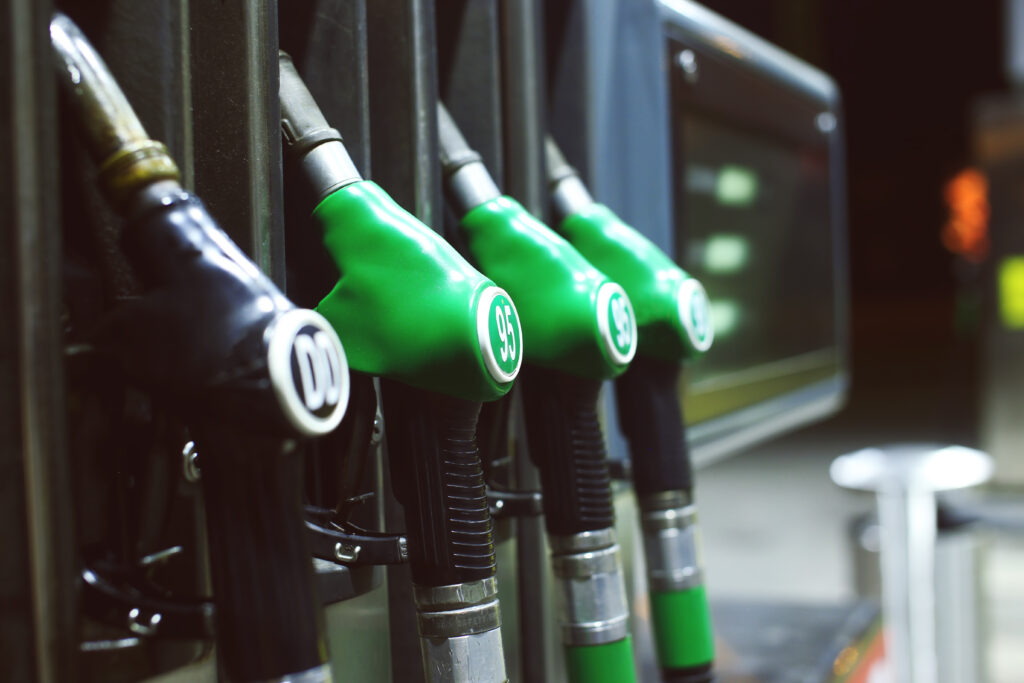
With the umpteenth large diesel price increase around the corner, food security becomes problematic with the high diesel price resulting in high input costs and with it high food prices.
With the most recent increase in the diesel price, consumers are already paying R8 more than the price last year this time. And this is before the expectation of an increase of more than R1 in November. The new planting season has recently started, and the already extremely high input costs farmers must deal with, are now even higher.
“Even with the 10 and 15c per litre increases and seen in perspective, the diesel price was already a huge challenge for farmers,” says Mr Bennie van Zyl, TLU SA General Manager.
“It’s about supply and demand – there is an extremely high demand for diesel and globally we are facing an energy crisis. The European winter has just started and there is already a huge shortage of gas.”
Farmers’ input costs include, among other things, seed, fertiliser, lime, fuel, pesticide, insurance, price hedging, electricity, and maintenance costs.
The increase in the fuel price must be put in context.
“This has a direct influence on various factors and thus increases the costs of almost every item in the chain of essential survival tools. The costs also then increase for the farmer and seen in the current prices that the farmer get on the market, this is an extremely serious matter as there are farmers who are currently throwing products away as they are not economically marketable due to the poor prices that naturally is caused by the weak buyer’s market, which financially has to use its money for essentials only, as there are no financial capacities to be able to afford a healthy plate of food every day,” explains Mrs Erika Helm, TLU SA Local Government.
This ripple effect is not going to be clearly visible now, but it must be considered that if the farmer does not make a profit, he cannot undertake the same plantings as the current year in the following planting seasons, due to a deficit in finances. The banks are reluctant to provide loans as the expropriation actions cause uncertainty.
“This means in reality that there is the prospect that there will be a serious decline in future plantings which will cause a food shortage.”