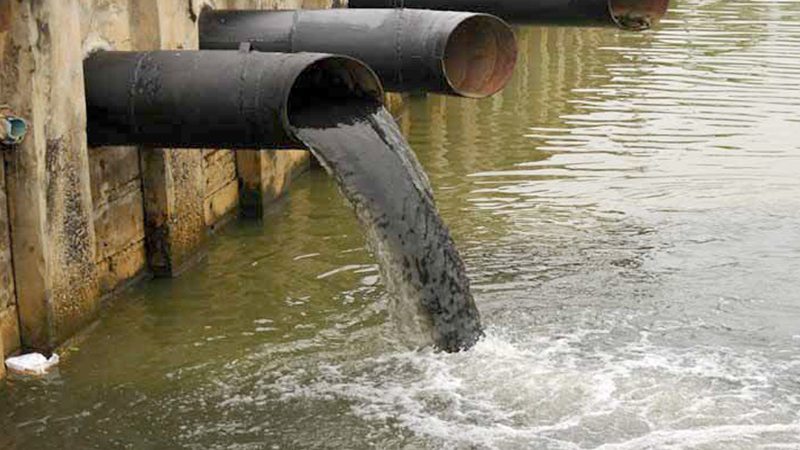
TLU SA finds it worrying that the wastewater in the Western Cape already shows signs of the various variants of the coronavirus.
According to tests done by the Medical Research Council’s wastewater based warning system, the Delta variant is prevalent in 25 plants in the Western Cape.
“What concerns us is how long the virus stays in the water and if it will be taken up in the water system to show up in our agricultural products finally,” says Mr Henry Geldenhuys, the president of TLU SA.
According to the American Environmental Protection Agency (EPA), sewerage plants can successfully treat wastewater against the coronavirus by using standard disinfecting practices. The survival of the virus in water environments strongly depends on temperature, the concentration of suspended solids and organic matter, solution pH and dose of disinfectant used.
“It seems like a rather straightforward and simple solution, but then we have to keep in mind that we are in South Africa with our water sources already full of sewerage and other pollutants,” says Mr Henry Geldenhuys. “Our question is thus how long the virus can survive in untreated or poorly treated water and what the consequences will be.”
TLU SA is also worried that the poor management of sewerage systems and works by municipalities proves the lack of expertise to handle this situation. As a result, the government is now exposing South Africans to infection by ignoring the protection of essential resources.
TLU SA urgently calls on the government and specifically the department of human settlements, water and sanitation – as the custodian of all water in South Africa – to pay attention to the tests and quickly put an effective solution for general management of water resources in place.
Issued by: TLU SA
Date: 7 July 2021
Enquiries: Mr Henry Geldenhuys, President TLU SA, Cell.: 083 560 1273
Mr Bennie van Zyl, General Manager TLU SA, Cell.: 082 466 4470