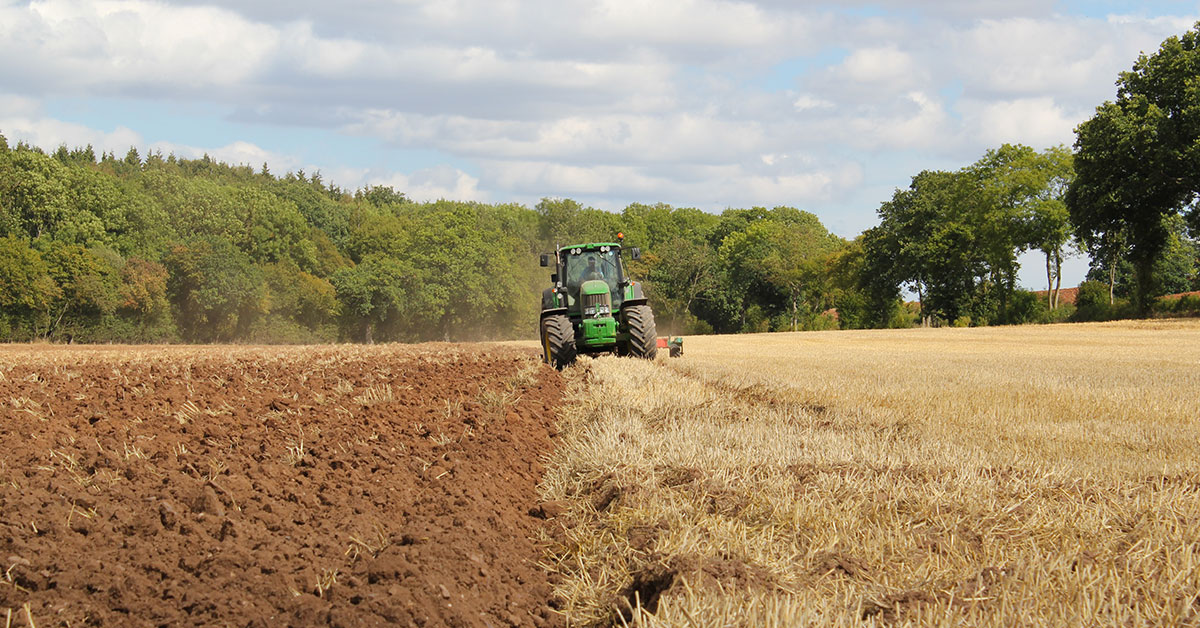
Agricultural conditions in South Africa have reached a critical point with fluctuating yields due to droughts and other factors. South Africa’s farmers are facing a variety of challenges, with droughts plaguing several provinces for years. Extraordinary heatwaves and the absence of rain at critical times have affected not only summer planting areas, but also the livestock industry in the past season. Farmers are burdened by serious crime and poor infrastructure.
“Farmers are grappling with ongoing increases in input costs, while prices for their products are moving sideways in many cases, affecting their profitability. This forces farmers to find innovative solutions,” says Bennie van Zyl, General Manager at TLU SA. “Farmers must ensure that each branch of farming is profitable on its own, and necessary adjustments must be made in a timely manner.”
Keeping the concept of cause and effect in mind and evaluating it is important. Every action has a certain aftermath—short-term, medium-term, and long-term.
It is crucial to make decisions with the necessary insight, especially in a farming context with long-term, seasonal conditions. The entrepreneur, or in this case, the farmer, must manage production factors and make choices based on experience. These decisions affect the sustainability of his production process and his profitability.
Farmers are compelled to make choices within the framework of South Africa’s policy environment—a policy environment that influences their realities daily and is projected onto society by the government of the day. Therefore, the impact of cause and effect is even more important on farmers’ role as entrepreneurs.
Problems currently experienced in South Africa can largely be attributed to the consequences of the current policy environment. Climate conditions also play a role; naturally, it’s not the state’s fault if it doesn’t rain. However, if they recognise the importance and strategic value of commercial farmers, they will do everything in their power to keep these people in production. Having food on the table is probably the greatest stabiliser a country can have. A responsible government will realise that disasters such as droughts, floods, and fires, which are beyond farmers’ control and can take them out of production, must be bridged as effectively as possible by implementing timely measures to assist farmers so they can still produce food in the following year.
Today’s harsh reality has an impact on the mood of our farmers. They currently have to work with financial institutions to find solutions to challenges such as debt, interest, and repayments. The South African government primarily provides agricultural aid to small farmers who only fill about 3% of our country’s food basket, while commercial farmers are responsible for themselves. This lack of support from the government means that commercial farmers must look after themselves financially as well as for their own security.
It is time for all stakeholders—farmers, agricultural organisations, and the government—to make a coordinated effort to support the agricultural sector. After all, it is the core of our food security, and without it, we not only jeopardise putting food on the table but also the country’s economic progress.
According to Van Zyl, the lack of support for farmers will turn into a vicious cycle that is not beneficial for South Africa’s already struggling economy. “South Africa needs one thing as the only sustainable solution to the poverty and unemployment problem, namely economic growth. This means profitable businesses that, apart from other production factors, need labour to function. Take food off the tables and everything will come to a standstill.”